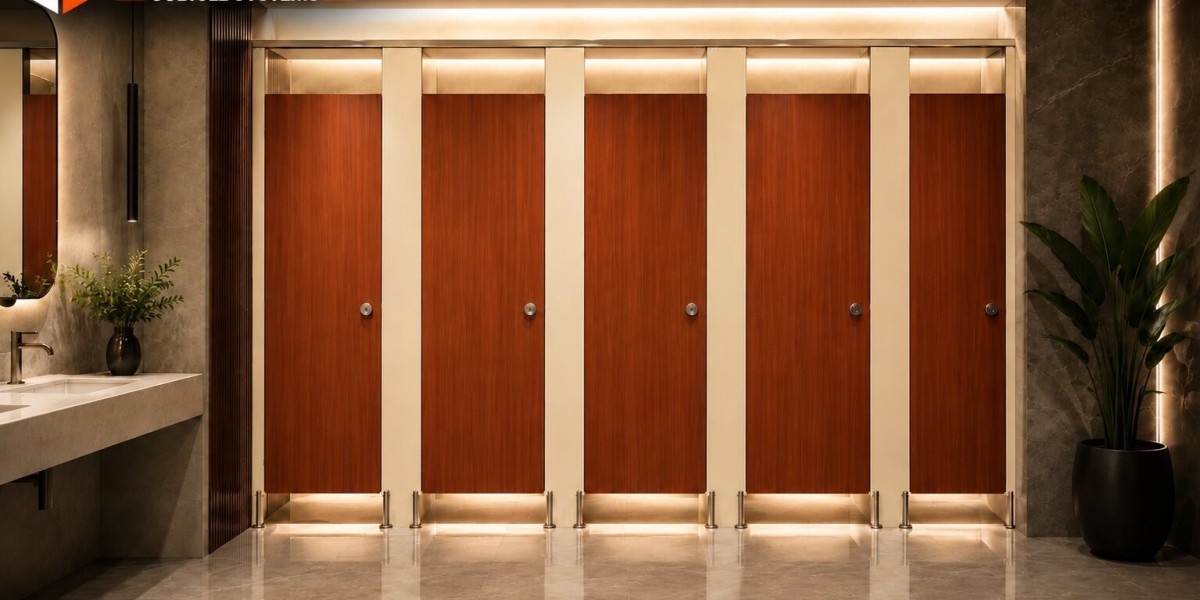

An effective washroom design is an essential component of any commercial or public building structure. While flooring, sanitary fixtures, ventilation, and lighting are some of the factors that are always taken into account, toilet cubicles are equally significant in terms of comfort and organization of the washroom.
Modern toilet cubicles systems are popularly found in office buildings, hotels, shopping malls, educational institutions, hospitals, restaurants, and many more. The appropriate material and design of toilet cubicles ensure that they serve their intended purposes effectively.
Better Privacy for Washroom Users
One of the main reasons why toilet cubicles are installed is because of the privacy aspect. Individual cubicles ensure that many people can use the same washroom, although some distance is observed between them.
There are certain aspects that may affect the amount of privacy offered by a toilet cubicle. This includes the height of the partitions, the type of door and lock used, and the design of the compartment itself.
Improved Washroom Organization
Without suitable partitions, a shared washroom can feel crowded and poorly organized. Cubicles create clearly separated spaces and establish a structured layout.
A good arrangement can include multiple toilet compartments along with urinals, wash basins, accessible facilities, and circulation areas. This makes it easier for users to understand the layout and move through the washroom comfortably.
Efficient Use of Space
Commercial buildings often need to accommodate several users within a limited floor area. Toilet cubicles make it possible to create individual compartments without constructing thick permanent walls between every facility.
The dimensions and arrangement can be planned according to the available space. In smaller washrooms, an efficient layout can help maximize the number of usable compartments while preserving adequate movement space.
Materials Designed for Regular Use
Commercial washrooms can experience hundreds of users each day. As a result, the selected cubicle material should be appropriate for the expected level of traffic and cleaning.
Durable panel materials can help withstand regular impact, frequent cleaning, and everyday wear. In areas exposed to moisture, selecting a suitable moisture-resistant material is particularly important.
The right material should be chosen based on the location, usage, maintenance routine, and project requirements.
Easier Cleaning and Maintenance
Washroom hygiene depends heavily on regular cleaning. Cubicle panels with smooth, easy-to-clean surfaces can make daily housekeeping more convenient.
Hardware should also be considered. Hinges, locks, handles, brackets, and support components experience repeated use and should be strong enough for the environment.
Routine inspection can help identify loose fittings or damaged components before they become larger maintenance problems.
Creating a Modern Washroom Appearance
Toilet cubicles are not only functional elements; they can also contribute to the overall interior design. Modern panel finishes are available in different colours, patterns, and textures.
A coordinated finish can complement the tiles, countertops, sanitary fixtures, and other elements of the washroom. Neutral designs can create a professional appearance, while contrasting colours can add visual interest.
The best choice depends on the type of building and the desired interior style.
Suitable for High Traffic Facilities
Some washrooms receive considerably more use than others. Airports, shopping centres, schools, restaurants, hospitals, and public buildings may experience continuous footfall throughout the day.
For such environments, durability becomes especially important. Strong panels and reliable hardware can help the cubicle system withstand frequent opening, closing, cleaning, and general use.
Choosing a system based on actual traffic conditions can help improve long-term performance.
Supporting Accessible Washroom Design
Modern washroom planning should consider accessibility requirements as well. Where applicable, an accessible cubicle can provide additional space and suitable features for users with mobility needs.
Door positioning, internal clearance, grab rails, and circulation space should be considered during the design stage. Following applicable building standards and project specifications is essential when planning accessible facilities.
Why Quality Installation Matters
Even good-quality materials can produce unsatisfactory results if they are not installed correctly. Accurate measurements, proper alignment, secure hardware installation, and appropriate fixing methods all contribute to the finished result.
Professional installation can also help ensure that doors operate smoothly and partitions remain stable during regular use.
Choosing the Right Toilet Cubicle Solution
However, when choosing the system, there are a number of issues that should be taken into account. They include the size of the bathroom, the amount of anticipated traffic, moisture conditions, the need for cleaning, design issues, accessibility issues, material quality, fixtures, and price.
It would be better to assess the whole system rather than choose the panels based merely on their aesthetics and price.
Conclusion
Toilet cubicles can make a significant difference to the functionality and appearance of a modern washroom. They provide privacy, organize the available space, support efficient cleaning, and allow designers to create a professional environment.