
Introduction
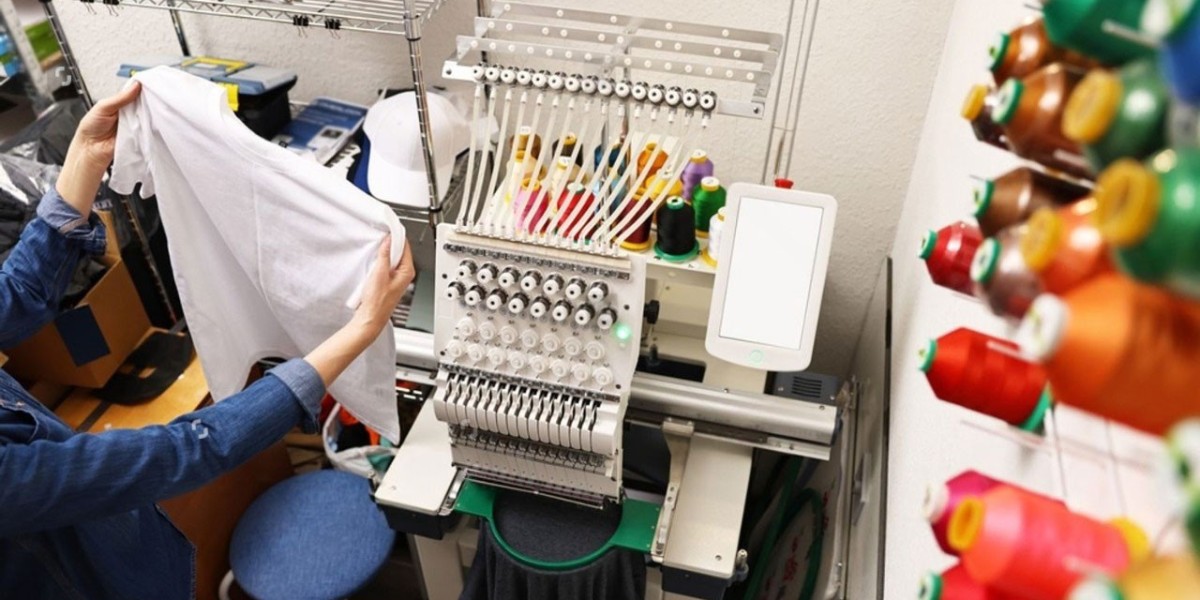
You have a great logo, a creative patch design, or a detailed illustration for a jacket back. The artwork looks fantastic on your computer screen. But when you try to stitch it out, the results fall flat. The letters are unreadable, the edges are blurry, and the whole design looks like a mess. This is a common frustration, and it happens because embroidery machines do not understand standard image files. They need a specialized translation. That is precisely where Custom Machine Embroidery Design Digitizing steps in to save the day.
Digitizing is the process of converting your artwork into a language your embroidery machine understands . It involves mapping out every single stitch, choosing the right stitch types, and compensating for the natural behavior of fabric and thread . Without this expert translation, your design will never look right. Professional digitizers bring years of experience to the table, ensuring your logos, apparel designs, and patches come out looking crisp, professional, and built to last.
What Actually Happens During Digitizing
Many people think digitizing is as simple as pressing a convert button. Nothing could be further from the truth. Professional digitizing involves a series of complex decisions that directly affect how your design looks on the finished product. The digitizer analyzes your artwork and breaks it down into manageable sections . They then assign specific stitch types to each area.
The primary stitch types used in machine embroidery are satin stitches, fill stitches, and running stitches . Satin stitches work best for lettering, borders, and narrow elements. They create a smooth, shiny finish that makes text pop. Fill stitches cover larger areas, providing solid coverage for backgrounds and shapes. Running stitches handle fine lines and delicate details. Choosing the wrong stitch type for an element ruins the design. A professional knows exactly which stitch to use and where.
Stitch direction is another critical consideration. The angle of the stitches affects how light reflects off the embroidery and how the design looks from different angles . A good digitizer varies the stitch direction to add visual texture and dimension. They also determine the stitch density, balancing coverage with fabric stability.
The Compensation Challenge
Fabric behaves in ways that complicate embroidery. When the needle punches through, the material pulls together under tension. This is called pull distortion, and it makes designs narrower along the stitch angle than they appear on screen . On the other hand, stitches pushing against each other create push distortion, which can cause designs to extend beyond their intended borders .
Professional digitizers use compensation techniques to counteract these distortions . For pull distortion, they make objects slightly wider in the stitch direction so the final result matches the intended shape. For push distortion, they draw borders slightly inside the intended edge to prevent blowout. Getting this balance right is one of the hardest skills to master. A circle that looks perfect on screen will stitch out as an oval without proper compensation .
Misregistration is another common issue. This happens when filled objects do not overlap enough with their outlines. Pull distortion creates gaps between the object and its border . Professionals overlap objects in the primary stitch angle to prevent these gaps from appearing.
Logos: From Corporate Identity to Embroidery
Logos present unique challenges for digitizing. Corporate logos often contain small text, thin lines, and multiple colors. These elements do not always translate well to thread. A professional digitizer knows how to adapt your logo while preserving its essential character.
Small text is a particular trouble spot. What looks crisp on a business card becomes unreadable when stitched small. A digitizer might recommend enlarging the text or choosing a thicker font. They adjust the stitch density and underlay to ensure every letter remains legible . They also pay attention to the spacing between letters, known as kerning, to prevent them from blending together.
Thin lines and fine details need special handling as well. A running stitch might be too fragile, so a digitizer might convert a thin line into a satin stitch for better visibility. They also consider the fabric color and thread contrast. A white logo on a black shirt might need an outline to stand out. Professionals think through all these scenarios and communicate their recommendations clearly.
Apparel: Adapting to Fabric and Placement
Apparel embroidery adds another layer of complexity because garments vary widely in fabric type and design placement. A thick fleece jacket requires different settings than a lightweight polo shirt. Professional digitizers ask about your fabric before they start . They adjust stitch density and underlay patterns based on the material's characteristics.
Jacket back designs are a popular application. These large, detailed designs require careful planning. The digitizer organizes the design to improve stitch flow and maintain important details . They consider the garment's construction, avoiding seam lines and thick areas that cause problems. The result is a bold, balanced design that makes a statement.
Left chest logos are another common request. This placement is smaller and more visible, so every detail matters. Digitizers optimize the design for the limited space, ensuring text remains legible and shapes stay recognizable. They also think about the garment's movement. A design that looks great when the shirt is lying flat might distort when the wearer moves. Professionals compensate for this by choosing appropriate stitch types and directions.
Patches: Creating Durable, Standalone Designs
Patches have their own set of requirements. Unlike direct embroidery on a garment, patches are stitched onto a separate fabric base and then applied to the final product. This means they need a sturdy, dense construction that holds up to handling and application.
Patch digitizing involves planning the design's edge carefully. Most patches have a border that is stitched down after the main design is complete. This border secures the patch and gives it a finished look. The digitizer chooses the border width and stitch type to ensure it lays flat and durable .
Density is critical for patches. The stitches need to be dense enough to create a solid, opaque design that does not show the fabric base. However, too much density makes the patch stiff and heavy. Professionals balance these factors, considering the intended use of the patch. A patch for a jacket can be thicker than one for a lightweight shirt.
Another consideration is the shape of the patch. Round patches require careful planning to prevent distortion. The digitizer uses pull compensation to ensure the circle remains circular. Irregular shapes need extra attention to maintain their proportions.
Why Professional Digitizing Matters
Many people try to digitize their own designs or use automated software to save money. The results are almost always disappointing. Automated digitizing cannot account for the nuances of fabric behavior, thread interaction, and stitch dynamics . The files it produces often cause thread breaks, fabric puckering, and misaligned designs.
Professional digitizers bring years of experience and technical expertise to every project. They understand the limitations of embroidery and how to work around them. They optimize designs for smooth machine runs, reducing thread breaks and production time . They also ensure brand consistency across different garments, preventing the variations that happen when using multiple vendors .
Investing in professional digitizing protects your brand image. Poorly embroidered logos make your company look amateurish. Crisp, clean embroidery communicates professionalism and attention to detail. Customers notice the difference, and they associate that quality with your brand.
Conclusion
Custom machine embroidery design digitizing is the essential bridge between your creative vision and the finished product. It transforms flat artwork into precise stitch commands that your machine understands. The process involves careful decisions about stitch types, densities, compensation, and fabric adaptation.
Professional digitizers bring years of expertise to every project. They know how to adapt logos for readability, optimize apparel designs for different fabrics, and create durable patches that stand up to wear. Their skills save you from wasted materials, production delays, and unhappy customers.
Do not leave your brand image to chance. Partner with skilled digitizers who understand the technical challenges and have the experience to overcome them. The investment pays off in flawless results, consistent quality, and a professional appearance that makes your brand shine.