
A workplace should be designed around the people who use it every day. Employees need suitable spaces for focused work, meetings, communication, storage, and short breaks. Office furniture connects all these activities by giving each area a clear purpose. The right desks, chairs, cabinets, tables, and workstations can help businesses create a comfortable and organized environment without making the space feel crowded. For companies in Manila and Quezon City, furniture decisions may also depend on office size, rental space, employee numbers, business type, and future expansion. A thoughtful approach can make the workplace more functional while maintaining a professional appearance.
Start With The Purpose Of Each Area
Before choosing furniture, businesses should identify how every section of the office will be used. An employee workstation has different requirements from a boardroom, reception area, executive office, or staff lounge. When the purpose of each area is clear, it becomes easier to select appropriate furniture sizes and styles. A workspace used for concentrated computer work may need an ergonomic chair and a spacious desk, while a meeting room may require a conference table and comfortable visitor seating. This method also prevents businesses from filling rooms with furniture that does not serve a useful function.
Choosing The Right Workstations
Workstations are central to many office layouts. They should provide sufficient room for employees to complete their responsibilities while allowing them to keep essential equipment within reach. Computer monitors, keyboards, documents, telephones, and stationery should fit comfortably without leaving the employee with an overly restricted working area. Businesses with larger teams can consider modular workstation systems because these arrangements can create individual work zones while using floor space efficiently. Desk partitions may also provide a degree of privacy without completely separating employees from their colleagues.
Selecting Desks For Different Roles
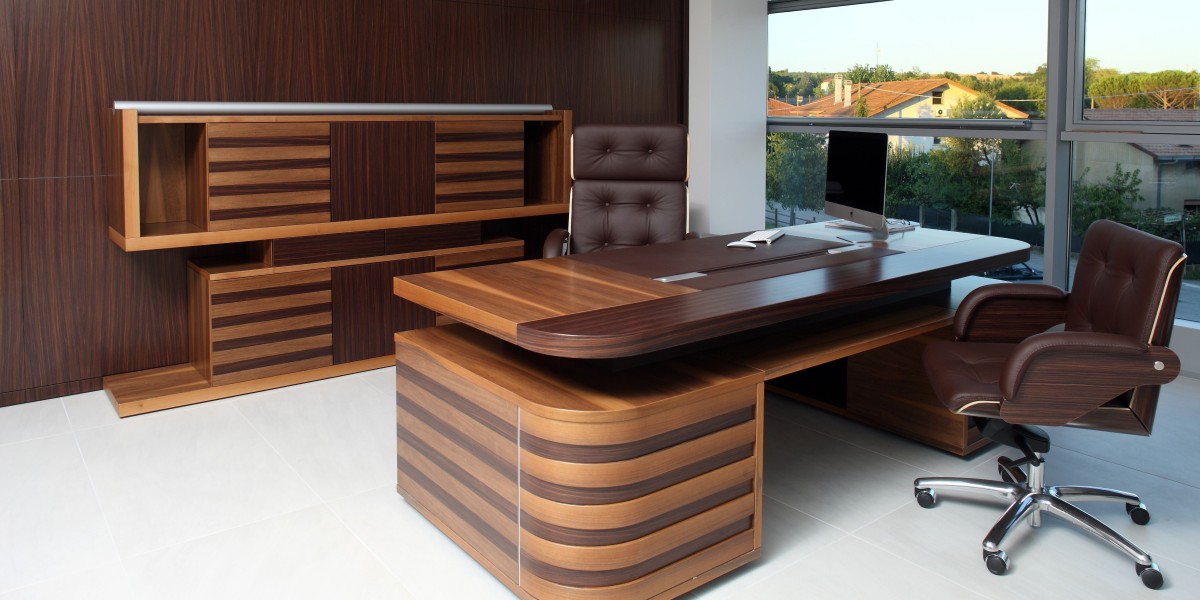
Not every employee requires the same desk. Administrative staff may benefit from practical desks designed around everyday computer and paperwork tasks. Managers may require larger surfaces for reviewing documents, meeting with employees, and organizing materials. Executives may prefer spacious desks that provide a formal appearance and additional working space. L-shaped designs can be helpful when employees need multiple working surfaces, while compact straight desks can be suitable for smaller rooms. The most suitable design depends on the role, available area, equipment requirements, and preferred working style.
Prioritizing Ergonomic Office Seating
Sitting for long periods makes chair selection especially important. An appropriate office chair should support comfortable posture while allowing users to adjust the chair to their individual needs. Features such as adjustable height, lumbar support, armrests, seat depth, and a stable base can make daily work more comfortable. Businesses should avoid selecting chairs solely because they look attractive. Employees interact with their chairs for several hours each working day, so comfort and adjustability deserve serious consideration. Meeting rooms, reception areas, and executive offices can also benefit from seating selected for their specific purposes.
Using Limited Space More Effectively
Many businesses operate from compact commercial units, particularly in busy urban areas. Limited floor space makes careful planning essential. Furniture should be sized according to the room rather than chosen first and fitted later. Wall-mounted or vertical storage can help free floor space, while mobile pedestals can provide personal storage beside desks. Compact meeting tables can be used where a full conference room is not practical. Businesses should also leave adequate room between furniture pieces so employees can walk comfortably and access doors, cabinets, and equipment.
Developing Useful Meeting Rooms
A meeting room should support communication without feeling cramped. The size and shape of the conference table should reflect the number of people who regularly attend meetings. A smaller team may work well around a compact table, while larger organizations may require a longer conference arrangement. Comfortable chairs are important for meetings that last more than a few minutes. Businesses should also think about technology requirements, including screens, video conferencing equipment, laptops, charging points, and cable management. Good planning allows the meeting room to support both traditional discussions and modern digital presentations.
Improving Storage And Organization
A tidy workplace is easier to manage when employees have sufficient storage. Offices often need space for paperwork, files, stationery, equipment, cleaning products, and personal belongings. Filing cabinets can help organize important documents, while storage cupboards can accommodate supplies and less frequently used items. Shelving can make certain materials easier to access, especially in administrative areas. Storage should be distributed logically throughout the workplace instead of being concentrated in one location. This can reduce unnecessary movement and help employees find what they need more quickly.
Designing An Effective Reception Area
The reception area should be welcoming while remaining practical for staff. A reception desk needs enough space for computers, telephones, paperwork, and visitor management. It should also allow reception personnel to work comfortably throughout the day. Visitor chairs can provide a comfortable waiting area without occupying excessive space. The furniture selected for the entrance should complement the company's overall interior style. Clean lines, suitable proportions, and organized surroundings can create a positive impression for clients, candidates, suppliers, and business partners.
Selecting Materials For Everyday Performance
Furniture used in commercial workplaces needs to withstand regular activity. Employees open drawers, move chairs, place equipment on desks, and use meeting tables repeatedly. For this reason, businesses should pay attention to construction quality and material durability. Strong frames, reliable hardware, stable desk surfaces, and dependable chair mechanisms can contribute to longer service life. Surfaces that are simple to clean can also make office maintenance easier. Choosing furniture based on expected daily use can help companies avoid frequent repairs and replacements.
Creating A Consistent Interior Style
An office can look more professional when its furniture shares a consistent visual direction. This does not mean every desk or chair must be identical. Instead, colors, finishes, shapes, and materials can complement one another. A consistent approach can connect reception areas with employee workspaces, meeting rooms, and executive offices. Businesses should consider their existing walls, flooring, lighting, partitions, and branding when choosing furniture. A balanced interior can feel organized without becoming overly formal or visually repetitive.
Supporting Collaboration Between Teams
Modern offices often require employees to work together throughout the day. Dedicated collaboration spaces can give teams somewhere to discuss ideas, review documents, or solve problems without disturbing employees at individual workstations. Small tables, shared desks, comfortable chairs, and informal seating can support these activities. Such areas can be especially useful for quick discussions that do not require a formal conference room. However, collaborative areas should be positioned carefully so conversations do not disrupt employees who need quiet working conditions.
Preparing The Workplace For Growth
Business growth can change the way an office needs to function. Additional employees may require more workstations, new departments may need dedicated areas, and existing rooms may need to serve different purposes. Flexible furniture can make these changes easier. Modular workstations, movable tables, mobile storage, and adaptable seating can allow businesses to modify layouts without replacing every piece. Companies should consider potential expansion when making large furniture purchases because a little forward planning can provide greater flexibility later.
Considering Industry-Specific Requirements
Office design should reflect the activities performed by the organization. A corporate company may need formal executive areas, large meeting rooms, reception furniture, and organized employee workstations. Schools and training facilities may prioritize durable desks and chairs that can handle frequent use. Healthcare offices may require furniture that is practical and easy to maintain. Government departments may need substantial document storage. Startups may prefer flexible spaces that can change as their teams develop. Understanding these differences leads to better purchasing decisions.
Balancing Appearance And Function
Good office design should look appealing without sacrificing everyday usability. A visually impressive desk is not useful if it provides insufficient working space. Likewise, a large conference table may create problems if it prevents comfortable movement around the room. Businesses should consider dimensions, ergonomics, durability, storage, maintenance, and appearance together. When each factor is evaluated before purchasing, the final workspace can provide a better experience for both employees and visitors.
Making Furniture A Long-Term Investment
Furniture should be considered as part of the company's long-term workplace strategy. Businesses should evaluate how frequently each item will be used, how much maintenance it may require, and whether it can continue serving its purpose as the company develops. Initial price matters, but durability and functionality can have a greater impact on overall value. Carefully selected furniture may reduce replacement costs and provide consistent performance over several years. Businesses should also measure entrances, elevators, rooms, and corridors before ordering large pieces to avoid installation difficulties.
Designing A Workplace That Adapts
The modern office needs to accommodate more than individual desk work. Employees may attend virtual meetings, collaborate with colleagues, complete focused assignments, host clients, and move between different areas during the same day. A flexible furniture arrangement can support these changing activities. Businesses can combine individual workstations with meeting spaces, shared areas, storage zones, and comfortable seating. This creates a workplace where different tasks can happen naturally without requiring constant rearrangement.
Making Better Furniture Decisions
Choosing furniture becomes easier when businesses begin with practical questions. Who will use the space? What tasks will they perform? How much room is available? What equipment needs to be accommodated? How much storage is required? Will the company expand? Answering these questions provides a strong foundation for selecting suitable products. It also helps businesses avoid purchasing furniture based only on appearance or temporary trends.
A carefully planned workplace can improve organization, support employee comfort, and create a professional setting for business activities. Companies in the Philippines can make better use of their offices by combining suitable furniture with thoughtful space planning and clear workplace requirements. The objective should be a balanced environment that remains functional as daily needs change. In conclusion, Queens arts and trends can provide inspiration for businesses interested in combining practical office requirements with an appealing and well-coordinated workplace design.