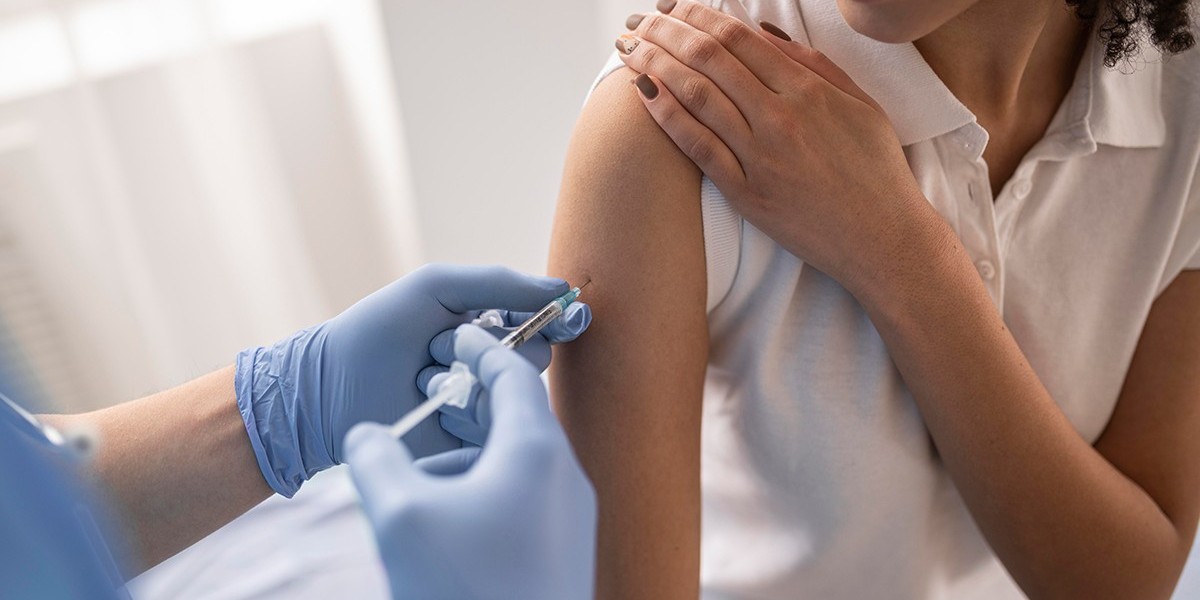

Human papillomavirus (HPV) is one of the most common sexually transmitted infections in the world, and for many families, the HPV vaccine has become an important part of preventive healthcare. Yet despite its wide availability, many women and parents still have questions about what the vaccine does, who should get it, and whether it's really necessary.
What Is the HPV Vaccine?
The HPV vaccine is a preventive shot designed to protect against the human papillomavirus, a group of viruses that can cause genital warts and several types of cancer, including cervical, anal, throat, and vulvar cancers. There are more than 100 strains of HPV, but only a handful are considered high-risk for causing cancer.
The vaccine works by training the immune system to recognize and fight off the virus before it ever takes hold in the body. Unlike treatments that address an existing infection, the HPV vaccine is purely preventive it doesn't treat HPV once someone already has it, which is why timing matters so much.
How the HPV Vaccine Works
The HPV vaccine contains no live virus. Instead, it uses virus-like particles that mimic the outer shell of HPV, prompting the body to build antibodies against it. If the person is later exposed to the actual virus, their immune system already knows how to respond and block the infection.
Most HPV vaccines today, such as Gardasil 9, protect against nine strains of the virus, including the ones responsible for roughly 90% of cervical cancer cases. The vaccine is typically given as a series of two or three doses, depending on the age at which the first dose is administered.
Who Should Get the HPV Vaccine (Age Recommendations)
Health authorities, including the CDC and WHO, recommend the HPV vaccine be given starting at ages 11–12, though it can be administered as early as age 9. At this age, only two doses are needed, spaced six to twelve months apart, because younger immune systems tend to produce a stronger antibody response.
For those who start the vaccine series later between ages 15 and 26 three doses are typically recommended. The vaccine is approved for use up to age 45 in some cases, though the benefit tends to be smaller for older adults who may have already been exposed to HPV.
The key takeaway: earlier vaccination generally means better protection, since it's most effective when given before any exposure to the virus.
HPV Vaccine for Children and Teens: A Guide for Parents
For parents, the idea of vaccinating a preteen against a sexually transmitted infection can feel premature or uncomfortable. But medical experts emphasize that the vaccine isn't about anticipating sexual activity it's about building immunity well in advance, when the vaccine works best.
A typical HPV vaccine schedule for children looks like this:
Ages 9–14: Two doses, six to twelve months apart
Ages 15 and older: Three doses over six months
Pediatricians often recommend pairing the HPV vaccine with other routine adolescent vaccines to simplify scheduling. If you're unsure whether your child is due for a dose, your pediatrician's office can check vaccination records and recommend a catch-up schedule if needed.
Can Adults Get the HPV Vaccine?
Yes. While the vaccine is most effective when given before potential exposure to HPV, adults up to age 45 can still receive it in many countries, following a conversation with their doctor about individual risk factors and potential benefit.
Adults who missed the vaccine as teenagers, or who want additional protection against strains they haven't yet encountered, may benefit from vaccination. However, because many adults have already been exposed to at least one strain of HPV through prior sexual activity, the overall protective benefit can be lower than it would be for a preteen.
If you're an adult considering the vaccine, your doctor can help weigh your specific health history and exposure risk.
HPV Vaccine and Women's Health
For women, the HPV vaccine is closely tied to cervical cancer prevention. Persistent infection with high-risk HPV strains is the leading cause of cervical cancer, and the vaccine dramatically reduces this risk when given before exposure.
Women over 30 who are considering the vaccine should know that it doesn't replace routine cervical cancer screening, such as Pap smears or HPV testing. Vaccination and screening work together the vaccine reduces the likelihood of infection, while screening catches abnormal cell changes early, before they progress to cancer.
Women who are planning a pregnancy sometimes ask whether it's safe to get the HPV vaccine beforehand. While the vaccine isn't recommended during pregnancy itself, it can typically be completed before conception or resumed safely after delivery, per a healthcare provider's guidance.
Is the HPV Vaccine Safe? Side Effects Explained
Safety is one of the most common concerns among both parents and adult patients. The HPV vaccine has been studied extensively since its approval, with monitoring data spanning over a decade and hundreds of millions of doses administered worldwide.
Common, mild side effects include:
Soreness or redness at the injection site
Mild fever
Headache or fatigue
Dizziness (sometimes linked to the injection itself rather than the vaccine)
Serious side effects are rare. Major health organizations, including the CDC, WHO, and FDA, continue to affirm that the benefits of HPV vaccination significantly outweigh the risks for the vast majority of recipients. As with any vaccine, individuals with specific allergies or medical conditions should discuss their history with a healthcare provider beforehand.
HPV Vaccine Brands: Gardasil 9 and Alternatives
Gardasil 9 is currently the most widely used HPV vaccine in the United States and many other countries, protecting against nine HPV strains. Earlier versions, such as the original Gardasil and Cervarix, covered fewer strains and have largely been phased out or replaced in many markets.
Availability can vary by country, so it's worth checking with a local clinic or pharmacy about which brand is offered and whether it aligns with current health guidelines in your region.
Cost and Accessibility
The cost of the HPV vaccine varies widely depending on location, insurance coverage, and whether it's accessed through a public health program. In many countries, the vaccine is offered free or at low cost through school-based immunization programs or national health services, particularly for the recommended adolescent age group.
For adults or those outside of subsidized programs, out-of-pocket costs can range from moderate to significant per dose, especially when multiple doses are required. It's worth checking with a primary care provider, local health department, or insurance plan to understand what's covered.
Is the HPV Vaccine Necessary? Weighing the Decision
Ultimately, the decision to vaccinate — whether for yourself or your child — comes down to weighing prevention against personal circumstances. Consider these points:
Reasons in favor:
Significantly reduces risk of cervical and other HPV-related cancers
Strong safety record backed by extensive research
Most effective when given early, before potential exposure
Points to discuss with a doctor:
Individual allergy history or medical conditions
Appropriate age and dosing schedule
Whether catch-up vaccination makes sense for older teens or adults
For most families, medical experts view the HPV vaccine as one of the most effective tools available for cancer prevention. Still, every individual's situation is different, and a conversation with a trusted healthcare provider is the best way to make an informed decision.
Final Thoughts
The HPV vaccine represents a significant step forward in preventive healthcare, offering protection against a virus linked to several types of cancer. Whether you're a parent considering vaccination for your child or a woman weighing your own options, understanding how the vaccine works, who it's recommended for, and what to expect can help you make a confident, informed choice.
As always, this article is intended for general educational purposes. For personalized medical guidance, consult a licensed healthcare provider who can review your health history and specific needs. If you're in Karachi and looking to discuss HPV vaccination or cervical health with a specialist, you can book a consultation with a qualified gynecologist to get guidance tailored to your situation.